
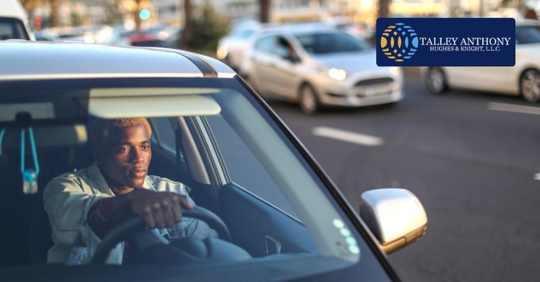
Louisiana’s streets are the lifeblood of our communities. From the vibrant, crowded corridors of New Orleans to the bustling avenues of Baton Rouge and Lafayette, our roads are shared by drivers, tourists, and local residents on foot. In recent years, the rise of rideshare applications like Uber and Lyft has fundamentally changed how Louisianians navigate our towns.
While these services offer undeniable convenience, they have also introduced unique legal complexities—particularly when a rideshare vehicle collides with a pedestrian. If you or a loved one is struck by a rideshare driver while walking, understanding who is at fault and who pays for your medical bills can be incredibly confusing.
In Louisiana, determining liability in a rideshare-pedestrian accident depends heavily on what the driver was doing at the exact moment of the crash.
The Three Phases of Rideshare Liability
Louisiana law and the insurance policies governing rideshare companies operate on a tiered system. Liability typically falls into one of three categories based on the driver's digital status:
The App is Closed: If the driver is operating their vehicle but is not logged into the rideshare application, they are considered a standard driver. If they hit a pedestrian, their personal auto insurance policy is primarily responsible for covering the damages.
Logged In, Awaiting a Request: If the driver has the app open and is actively looking for a fare but has not yet accepted a ride, the rideshare company's contingent liability coverage kicks in. This provides a secondary layer of insurance if the driver’s personal policy does not cover the full extent of the pedestrian's injuries.
Ride Accepted or In Progress: The moment a driver accepts a trip request or has a passenger in the vehicle, the rideshare company’s maximum coverage applies. Major companies typically carry a $1 million liability policy for this phase. If a pedestrian is struck during this window, this corporate policy is usually the primary source of compensation.
Shared Fault: Louisiana’s New Modified Comparative Fault Rule
It is vital for Louisiana residents to understand that liability isn't always entirely one-sided. However, the legal landscape in our state has recently undergone a major shift. Louisiana now operates under a modified comparative fault system with a strict 51% bar rule.
Under this law, an injured pedestrian can still recover financial compensation if they are partially to blame for the accident (such as by stepping off a curb outside a crosswalk)—but only if their share of the blame is less than 51%. If you are found to be 50% or less at fault, your final compensation will simply be reduced by your percentage of blame. For example, if a court finds a pedestrian 20% responsible, their total recovery is reduced by 20%.
The major catch? If corporate insurance lawyers successfully pin 51% or more of the blame on you, you are entirely barred from recovering any compensation. This new threshold dramatically raises the stakes, making it easier for rideshare companies to try to shift the blame onto the walking victim to avoid paying a dime.
Dedicated Legal Advocacy When You Need It Most
Rideshare companies employ powerful legal teams and aggressive insurance adjusters designed to minimize payouts. Navigating insurance tiers, digital logs, and comparative fault laws requires an experienced, community-focused legal advocate who understands the heartbeat of Louisiana and the nuances of our personal injury statutes.
If you or a member of your family has been injured in a pedestrian accident involving a rideshare vehicle, you do not have to face the legal storm alone. Talley Anthony Hughes & Knight is dedicated to standing up for our neighbors and securing the justice and compensation you deserve.
Reach out to our compassionate team today at (985) 313-8146 for a comprehensive evaluation of your case, and let us help you move forward.